
Knowing how to manage clinical supervision hours is one of the most important skills for prelicensed clinicians and the supervisors who guide them. Managing supervision hours means logging every session accurately, getting timely sign-offs, and keeping records that your licensing board will accept. This guide walks through a simple process you can start using this week.
Quick answer: Confirm your board's rules, use one standard log, record hours the same day, co-sign on a fixed schedule, reconcile totals monthly, and archive signed records securely.
What Is Clinical Supervision Hour Management?
It is the routine of documenting supervised clinical experience from start to finish. Most licensure paths for counselors, social workers, and therapists require a set number of supervised hours. Each hour must be verified by an approved supervisor.
Good management protects both people. The supervisee avoids lost hours, and the supervisor avoids disputes or incomplete verification forms.
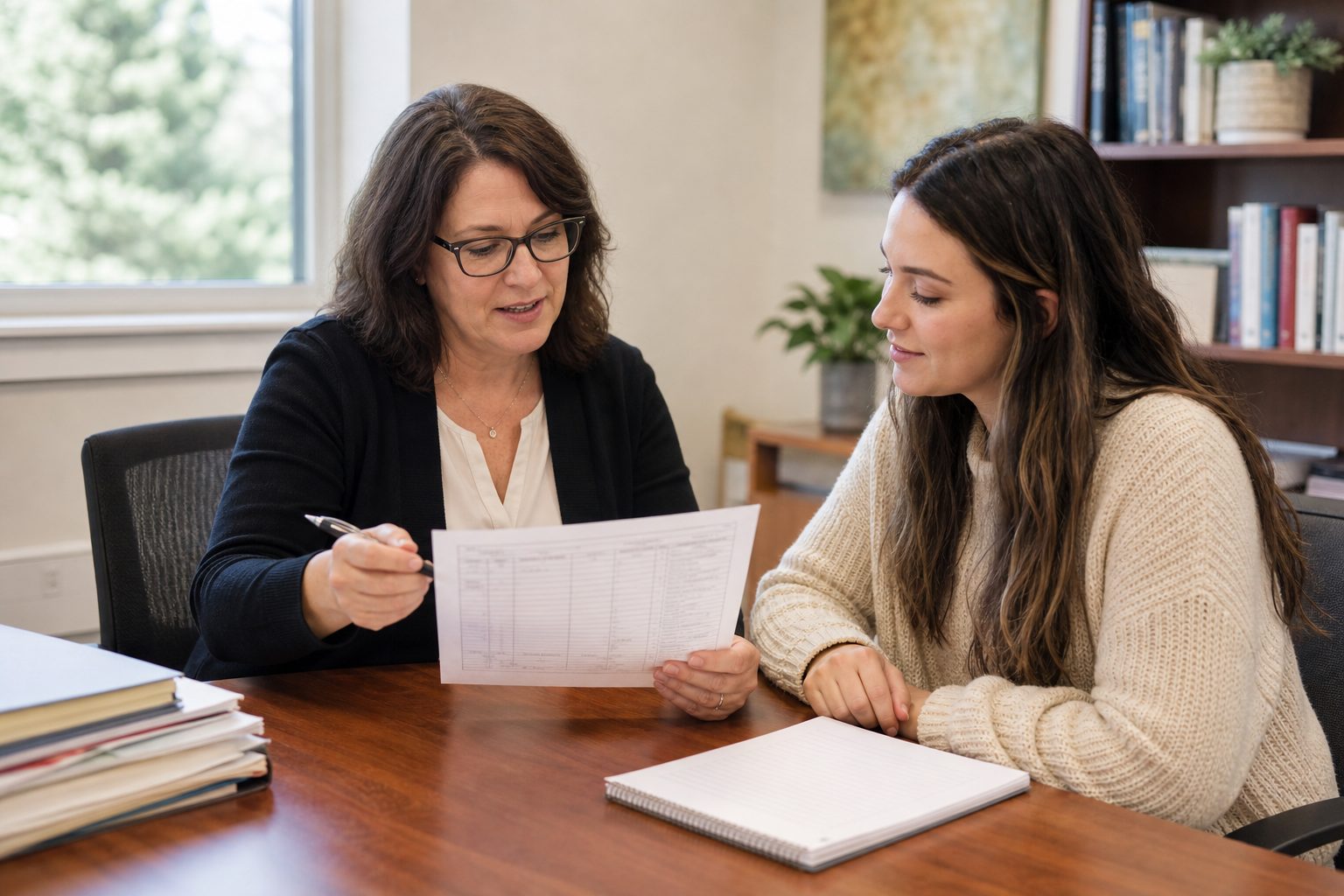
A supervisor and supervisee review a log, a core habit in how to manage clinical supervision hours.
Why Supervision Hour Tracking Matters
Missing or unsigned hours can delay licensure by months. In addition, boards may reject hours that do not meet their definitions. Therefore, accuracy early on saves significant time later.
Practices also feel the impact. Supervision gaps can affect billing for supervised clinicians, so clean records support revenue as well as compliance.
How to Manage Clinical Supervision Hours Step by Step
- Confirm your board's requirements. Check total hours, direct client contact, individual versus group limits, and supervisor eligibility.
- Build one standard log. Include date, duration, type, supervisor, topics, and signature fields.
- Log hours the same day. Memory fades quickly, and late entries invite errors.
- Review and co-sign on a schedule. Weekly or biweekly works well for most teams.
- Reconcile totals monthly. Compare running totals with board targets and flag shortfalls early.
- Archive board-ready records. Store signed logs securely so verification forms are quick to complete.
Understand State-by-State Supervision Rules
Rules vary widely. For example, states differ on weekly supervision minimums, group hour caps, and whether telehealth counts. Always verify with your state board, not a secondhand summary.
For a deeper look, see this state-by-state clinical supervision tracking guide. If you are pursuing a credential beyond licensure, the board certification supervision tracking guide covers those differences.
Spreadsheet or Software: Which Fits Your Practice?
Spreadsheets are free and flexible. However, they rely on manual updates, offer no automatic reminders, and are hard to audit across many supervisees.
| Factor | Spreadsheet | Supervision software |
|---|---|---|
| Setup cost | Low | Varies by vendor |
| Co-signature workflow | Manual | Built in |
| Hours by state rules | You calculate | Often automated |
| Scales to many supervisees | Poorly | Well |
Group practices with several prelicensed clinicians usually outgrow spreadsheets. Our supervision hour tracking software guide explains what to look for.
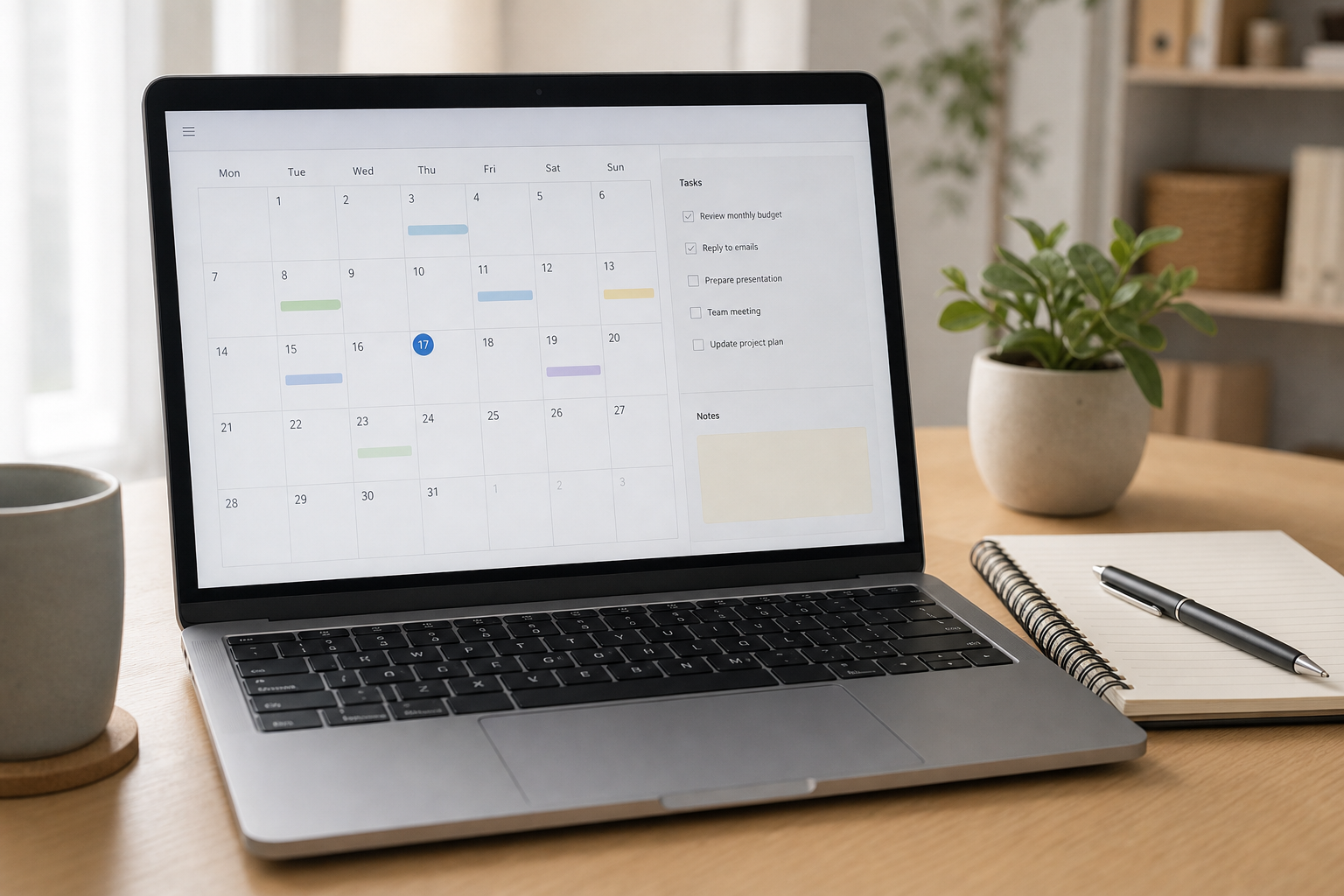
Digital tools make it easier to keep supervision records consistent and reviewable.
Common Mistakes to Avoid
- Logging hours weeks later from memory.
- Forgetting supervisor signatures.
- Mixing individual and group hours in one total.
- Assuming another state's rules apply to you.
- Losing records when a supervisor changes jobs.
How TuskaMind Supports Supervision Tracking
TuskaMind is a behavioral health platform that includes supervision management. It offers hour tracking, note review and co-signature, board-ready supervision records, and state-by-state hours tracking. It also connects supervision to supervisory billing, which matters for practices that employ prelicensed clinicians.
To see how this works for supervisors, read how TuskaMind tracks supervision hours by state. You can also compare options in this clinical supervision management software guide. For background on the practice itself, see the overview of clinical supervision on Wikipedia, and verify requirements through your board or the American Counseling Association.

Group supervision counts toward hours in many states, often with caps.
Frequently Asked Questions
What does it mean to manage clinical supervision hours?
It means recording, reviewing, signing, and storing every supervised hour so it meets your licensing board's rules. Good management keeps the record accurate from the first session to the licensure application.
How do I know how many supervision hours I need?
Your state licensing board sets the number. Requirements differ by license type and state, so check the board's current rules directly.
Can I use a spreadsheet to track supervision hours?
Yes, a spreadsheet can work for one or two supervisees. However, it becomes hard to audit and keep consistent as your caseload of supervisees grows.
What should a supervision log include?
Include the date, duration, format, supervisor name and license, topics covered, and signatures. Add any fields your board specifically requires.
How often should supervisors sign off on hours?
Weekly or biweekly is a practical rhythm. Frequent sign-offs prevent a backlog that is difficult to reconstruct later.
What is the difference between individual and group supervision hours?
Individual supervision is one supervisor with one supervisee, while group supervision involves several supervisees. Many boards cap how many hours can be group hours, so track them separately.
Does telehealth supervision count toward required hours?
Many boards accept live video supervision, but rules vary. Confirm your state's policy before relying on it.
What are common mistakes when logging supervision hours?
The most common mistakes are logging late, missing signatures, mixing individual and group hours, and ignoring state-specific caps. Each can delay licensure.
How long should I keep supervision records?
Retention rules vary by board and state. As a safe practice, keep records at least until licensure is granted and check whether your board requires longer.
What happens if a supervisor leaves mid-way?
Get final signatures and a hours summary from the departing supervisor before they leave. Then confirm with the board that the new supervisor meets requirements.
Can software help manage clinical supervision hours?
Yes. Purpose-built software can track hours by state, route notes for co-signature, and produce board-ready records, which reduces manual errors.
Who is responsible for tracking hours, the supervisor or supervisee?
Both share responsibility. The supervisee usually maintains the log, while the supervisor verifies and signs it.
Conclusion
Learning how to manage clinical supervision hours comes down to a few steady habits: know your board's rules, use one standard log, record hours the same day, co-sign on schedule, reconcile monthly, and archive signed records. Whether you use a spreadsheet or a dedicated platform, consistency is what keeps licensure on track and your practice protected.

