
Behavioral health EHR software is the foundation that determines whether a growing practice runs on clear information or constant guesswork. For solo clinicians and insurance-based group practices alike, the right system does more than store notes; it should flag what needs attention before a claim gets denied, a note goes unsigned, or a supervision hour slips through the cracks. This guide walks through what behavioral health EHR software actually needs to do, the features worth testing before you commit, and how a platform like TuskaMind was built from inside a real practice to solve these exact problems.
What Is Behavioral Health EHR Software?
Behavioral health EHR software is a clinical and administrative platform purpose-built for mental health and substance use treatment, combining documentation, scheduling, billing, and compliance tools designed around therapy workflows instead of general medicine. Unlike systems adapted from primary care software, it structures notes, treatment plans, and billing codes around recurring sessions, supervision requirements, and payer rules specific to behavioral health.
In practice, that means a clinician can document a session, a biller can see the claim status tied to that session, and a supervisor can review a note for co-signature, all inside one connected system. According to the general definition of an electronic health record, these systems exist to centralize patient data. Behavioral health platforms simply extend that idea to cover supervision, insurance oversight, and client balances as well.
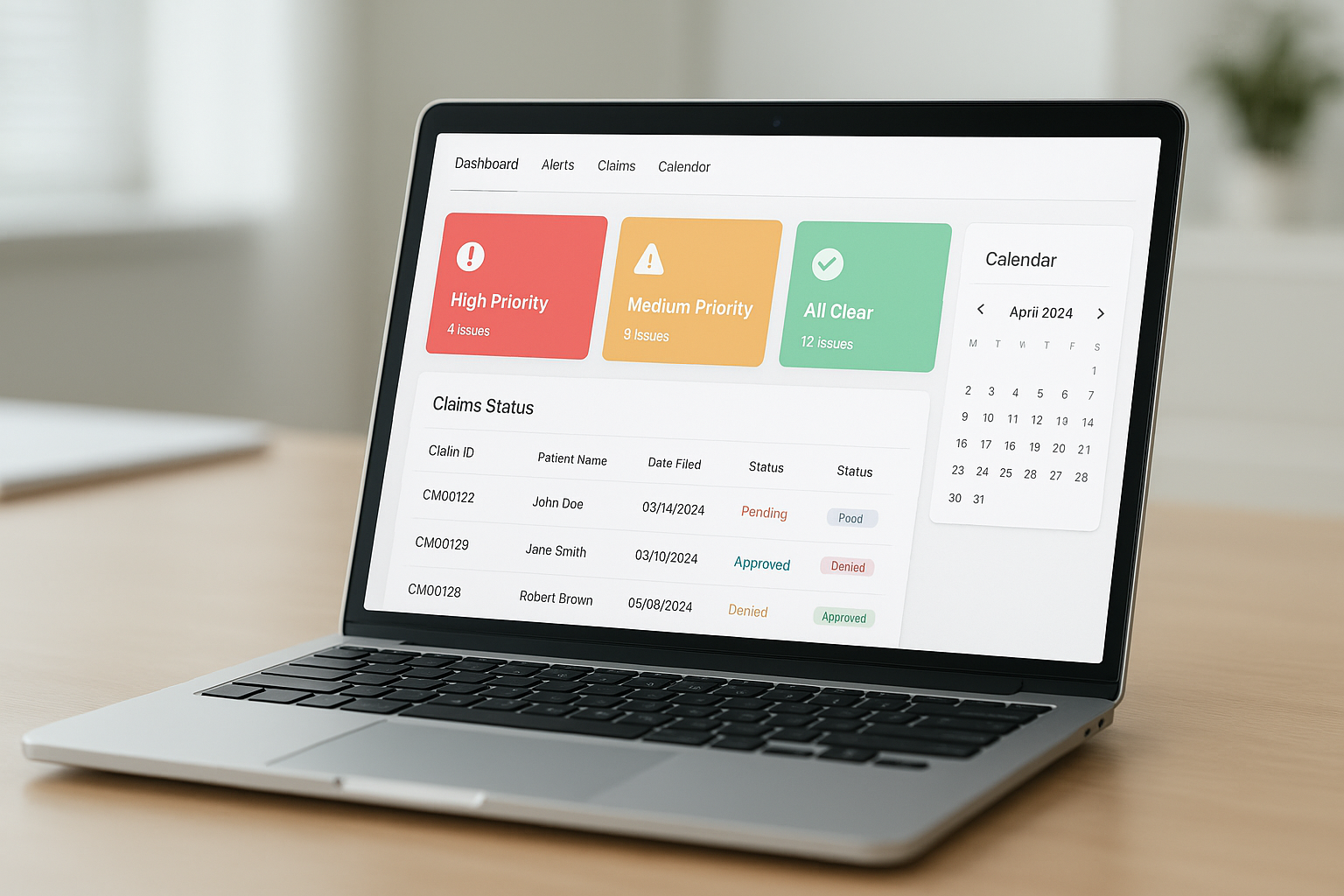
A proactive dashboard view is the hallmark of modern behavioral health EHR software.
Why Generic EHR Systems Fall Short for Mental Health Practices
Most EHRs, in essence, behave like filing cabinets. They store what already happened and leave practice owners to go searching for problems after the fact. For a mental health practice managing recurring therapy sessions, prelicensed supervisees, and high claim volume, that reactive design quickly becomes a liability.
As a result, owners end up chasing clinicians for unsigned notes, chasing payers for claim status, and chasing clients for copays, all without a single view of what actually needs attention. In addition, generic systems rarely account for state-specific supervision hour requirements or the layered billing rules tied to incident-to and supervisory claims, which forces practices back into spreadsheets the moment they grow past a handful of clinicians.
Core Features to Look for in Behavioral Health EHR Software
Before comparing vendors, it helps to know which features separate a true clinical and operational system from a basic notes repository. The strongest behavioral health EHR software combines the following, rather than treating them as optional add-ons.
Clinical Documentation Built for Therapy Workflows
Structured SOAP notes, treatment plans, assessments, and progress notes should connect directly to billing, so a completed note can trigger a clean claim instead of sitting disconnected from the revenue cycle. For a deeper look at this specific layer of the system, see this guide to progress notes software that behavioral health teams trust and this overview of treatment plan software for behavioral health practices.
Scheduling, Telehealth, and Client Engagement Tools
Shared calendars, multi-clinician scheduling, and HIPAA-compliant telehealth for individual, family, couples, and group sessions should live inside the same platform as documentation. Otherwise, staff end up toggling between a scheduling tool, a video platform, and the EHR itself, which wastes time and increases the chance of errors.
How Revenue Cycle Management Connects to Your EHR Platform
For insurance-based practices, billing cannot be an afterthought bolted onto documentation. Consequently, the strongest systems manage the full claims lifecycle, including claim creation, electronic submission, status tracking, rejected and denied claims, aging accounts receivable, ERA and 835 reconciliation, payment posting, and recoupment tracking, all tied back to the clinical note that generated the claim.
For example, TuskaMind was developed and refined inside a live group practice handling approximately 70 to 100 insurance claims per day across up to roughly 50 clinicians and contractors. That volume meant every billing workflow had to hold up under real operational pressure, not just a product demo. For a broader look at this category, this insurance-based behavioral health software guide covers the full picture in more depth, and the HHS HIPAA resource center outlines the compliance standards any billing workflow must respect.

Connecting billing data directly to clinical notes reduces denials and aging claims.
Supervision Management: The Feature Many Mental Health EHRs Miss
Practices employing prelicensed clinicians face a layer of complexity that general systems rarely address well. Specifically, supervision requires tracking hours by state requirement, routing notes for review and co-signature, and producing board-ready records that hold up during licensure review.
Without this built into the EHR, supervisors are left managing spreadsheets alongside the clinical system, which creates exactly the kind of fragmentation a modern platform is supposed to eliminate. In contrast, when supervision lives inside the same system as documentation and billing, a missed co-signature becomes a visible alert rather than a surprise discovered weeks later.

Supervision tracking built into behavioral health EHR software keeps co-signatures from slipping through the cracks.
How to Choose the Right Behavioral Health EHR Platform
Selecting a system is easier when you follow a consistent evaluation process instead of comparing feature lists in isolation. The steps below reflect how practices typically move from research to a confident decision.
- Map your current workflows. Write down every step your practice follows from intake through claim payment, including documentation, scheduling, billing, and supervision, so you know exactly which gaps the new system must close.
- Confirm supervision support. Check whether the platform tracks supervision hours by state requirement, routes notes for co-signature, and produces board-ready records, since many general EHRs ignore prelicensed clinician workflows entirely.
- Test the revenue cycle features. Ask for a live walkthrough of claim submission, denial management, payment posting, and aging accounts receivable tracking to confirm the system actually closes the billing loop rather than just storing claims.
- Review compliance and security documentation. Request the vendor's business associate agreement, audit trail capabilities, and data isolation practices in writing before signing a contract, rather than relying on verbal assurances during a sales call.
- Evaluate onboarding and support. Ask how migration assistance, staff training, and ongoing support are structured, since a strong implementation process determines whether your team actually adopts the system or reverts to old habits.
For a longer-form comparison of platforms and requirements for 2026, this behavioral health electronic health records guide breaks down the category in more detail.
TuskaMind: Behavioral Health EHR Software Built by a Practice Owner
TuskaMind was founded by Zina Ortiz, MA, LPC, a licensed professional counselor, clinical supervisor, and owner of a Colorado behavioral health group practice. Rather than adapting generic healthcare software, she built the platform around the actual problems of running high-volume insurance billing, supervision of prelicensed clinicians, and documentation across a growing team.
Today, TuskaMind brings EHR, scheduling, telehealth, clinical documentation, supervision, revenue cycle management, insurance oversight, client payments, and an embedded AI assistant called Nellie AI into one system. Above all, it is built for insurance-based behavioral health group practices that have outgrown basic EHRs, spreadsheets, and a patchwork of disconnected tools. Practices currently exploring options can visit TuskaMind's website to learn more about the Pilot Partner Program and onboarding process. Beyond vendor-specific tools, the Substance Abuse and Mental Health Services Administration also publishes broader guidance on behavioral health service standards worth reviewing during vendor research.
Frequently Asked Questions About Behavioral Health EHR Software
What is behavioral health EHR software?
Behavioral health EHR software is a clinical and administrative platform built specifically for mental health and substance use treatment settings, combining documentation, scheduling, billing, and compliance tools designed around therapy workflows rather than general medicine.
How is behavioral health EHR software different from general medical EHRs?
General medical EHRs are built around procedures, labs, and medication management, while behavioral health EHR software is structured around therapy notes, treatment plans, recurring sessions, and supervision of prelicensed clinicians. Behavioral health platforms also handle mental health-specific billing codes and payer rules that general systems often miss.
How much does behavioral health EHR software cost?
Pricing typically depends on practice size, clinician count, and whether billing or revenue cycle management services are included, with monthly per-clinician fees common across the industry. Practices should compare what is bundled, since some platforms charge extra for supervision tools, telehealth, or claims support.
How long does it take to implement a new behavioral health EHR?
Implementation timelines usually range from a few weeks for a solo practice to a couple of months for a larger group with data migration and staff training involved. Platforms offering white-glove onboarding and migration assistance tend to shorten that timeline considerably.
What features matter most for insurance-based group practices?
Insurance-based group practices should prioritize real-time eligibility checks, claim status visibility, denial management, aging accounts receivable tracking, and documentation tied directly to billing. Without these, owners end up discovering revenue problems long after they could have been prevented.
Can behavioral health EHR software manage clinical supervision?
Yes, though not all platforms do it well. Strong behavioral health EHR software tracks supervision hours by state requirement, routes notes for co-signature, and produces board-ready supervision records for prelicensed clinicians.
What common mistakes do practices make when choosing an EHR?
The most common mistake is choosing a system based on documentation templates alone and ignoring billing, supervision, and reporting needs until after signing a contract. This often forces practices to patch gaps with spreadsheets, which recreates the fragmentation the EHR was supposed to solve.
Is behavioral health EHR software HIPAA compliant?
Reputable behavioral health EHR software is built on HIPAA-compliant architecture, including signed business associate agreements, audit trails, and encrypted data storage. Practices should still confirm a vendor's specific compliance documentation before onboarding.
Does behavioral health EHR software include telehealth?
Most modern behavioral health EHR platforms include HIPAA-compliant video for individual, family, couples, group, and supervision sessions directly inside the same system used for documentation and billing. This avoids the need for a separate, disconnected video tool.
Can behavioral health EHR software handle revenue cycle management?
Platforms built for insurance-based practices can manage the full revenue cycle, including claim submission, denial correction, payment posting, ERA reconciliation, and aging accounts receivable follow-up. This keeps billing and clinical data connected instead of living in separate systems.
Who should use behavioral health EHR software?
Solo clinicians, group practices, and especially insurance-based behavioral health organizations with prelicensed staff benefit most, since they need documentation, billing, and supervision working together. Practices that have outgrown basic scheduling tools or spreadsheets are the clearest candidates.
What happens if my practice outgrows a basic EHR?
Practices that outgrow a basic EHR typically start juggling multiple disconnected tools for billing, supervision, and client payments, which increases the chance of missed denials, unsigned notes, and supervision gaps. At that point, owners usually need a centralized operations platform rather than another point solution.
How does AI help within behavioral health EHR software?
AI features embedded in behavioral health EHR software can draft progress notes, suggest CPT codes, flag missing documentation fields, and surface what needs attention before it becomes a billing or compliance problem. This reduces administrative time without replacing clinical judgment.
Final Thoughts
Choosing behavioral health EHR software is ultimately a decision about how much visibility an owner wants into their own practice. A system that only stores records leaves problems to be discovered after the fact, whereas a system built around alerts, supervision, and connected billing helps practices catch issues before they cost time or revenue. As practices scale past a handful of clinicians, that difference becomes the deciding factor between reactive firefighting and proactive, confident management.