
Treatment plan software for behavioral health is the technology that helps clinicians, supervisors, and practice owners build, track, and update client treatment plans without losing sight of billing, supervision, or documentation deadlines. For solo clinicians, this kind of system can feel like a convenience. However, for growing group practices, it quickly becomes the backbone of daily operations. As caseloads expand and prelicensed clinicians need supervision sign-offs, a patchwork of spreadsheets and basic electronic health records, or EHRs, software that stores patient records digitally, starts to show cracks. This article explains what treatment plan software for behavioral health actually does, which features matter most, and how a connected platform like TuskaMind approaches the problem differently.
In short: treatment plan software for behavioral health is a digital system that documents client goals, interventions, and progress while connecting that documentation to scheduling, billing, and supervision — so practice owners can see what needs attention before it becomes a denied claim or a compliance gap.

Treatment plan software for behavioral health helps clinicians document goals and progress without losing track of billing readiness.
What Is Treatment Plan Software for Behavioral Health?
Treatment plan software for behavioral health is a purpose-built digital tool that replaces paper treatment plans and generic templates with structured, board-ready documentation tied directly to billing and supervision workflows. Specifically, it covers SOAP notes, treatment goals, diagnostic codes, and progress tracking in one record.
Unlike general medical EHRs, behavioral health treatment planning tools account for the realities of therapy practice: recurring sessions, family and couples formats, supervision hours for prelicensed clinicians, and payer-specific documentation rules. As a result, clinicians spend less time duplicating information across systems. In addition, administrators gain visibility into which notes are incomplete, which plans are overdue for review, and which sessions are ready for billing. This connected approach matters most for insurance-based group practices, where an unsigned note or an outdated treatment plan can delay reimbursement for weeks.
Why Behavioral Health Practices Outgrow Basic Documentation Tools
Many practices start with a basic EHR or a mix of spreadsheets, and initially that setup works. However, as a practice adds clinicians, supervisors, and insurance contracts, gaps start to appear. According to SAMHSA's National Survey on Drug Use and Health, more than one in five U.S. adults experience a mental illness in a given year, and demand for behavioral health services continues to grow. Consequently, group practices are often hiring faster than their systems can handle.
Specifically, three problems tend to surface first: unsigned notes that block billing, supervision hours tracked in a separate spreadsheet, and treatment plans that no one notices have expired until a payer flags them. In contrast, a connected behavioral health treatment planning platform surfaces these issues automatically, well before they affect revenue or compliance.
Key Features of a Behavioral Health Treatment Planning Platform
When evaluating treatment plan software for behavioral health, practice owners should look beyond basic note templates. The most useful platforms combine several capabilities in one place:
- Structured clinical documentation — SOAP notes, treatment plans, and progress notes tied directly to billing codes.
- Embedded supervision tools — hour tracking, note co-signature, and board-ready supervision records for prelicensed clinicians.
- Claims and insurance visibility — guided claim creation, payer response tracking, and denial management.
- Client payment tracking — balances, payment posting, and admin review in the same dashboard.
- Practice-wide alerts — automatic flags for missing fields, expired authorizations, or incomplete notes.
Furthermore, many modern platforms now embed AI assistance directly into documentation. For example, an AI scribe can draft session notes or suggest CPT codes, the billing codes insurers use to process claims, which reduces administrative time without removing clinician oversight. You can review a fuller breakdown of these capabilities on the features overview page.
How Treatment Planning Connects to Billing and Supervision
Treatment planning does not exist in isolation. Therefore, the strongest behavioral health treatment planning tools link documentation directly to the revenue cycle, the full process of claim submission, payment posting, and denial follow-up. TuskaMind, for example, was built inside a live group practice handling roughly 70 to 100 insurance claims per day, which shaped how its treatment planning, billing, and supervision modules talk to one another.
Specifically, when a clinician completes a treatment plan or progress note, the system can flag whether it is ready for billing, whether a supervisor still needs to co-sign it, or whether a client's insurance eligibility has changed. As a result, owners and billers see the same information at the same time, instead of chasing each other through email. Similarly, supervisors benefit, because supervision hours and note reviews are tracked alongside the clinical record rather than in a separate spreadsheet. This kind of connection matters most for insurance-based group practices, where one unsigned note can delay reimbursement for an entire caseload.

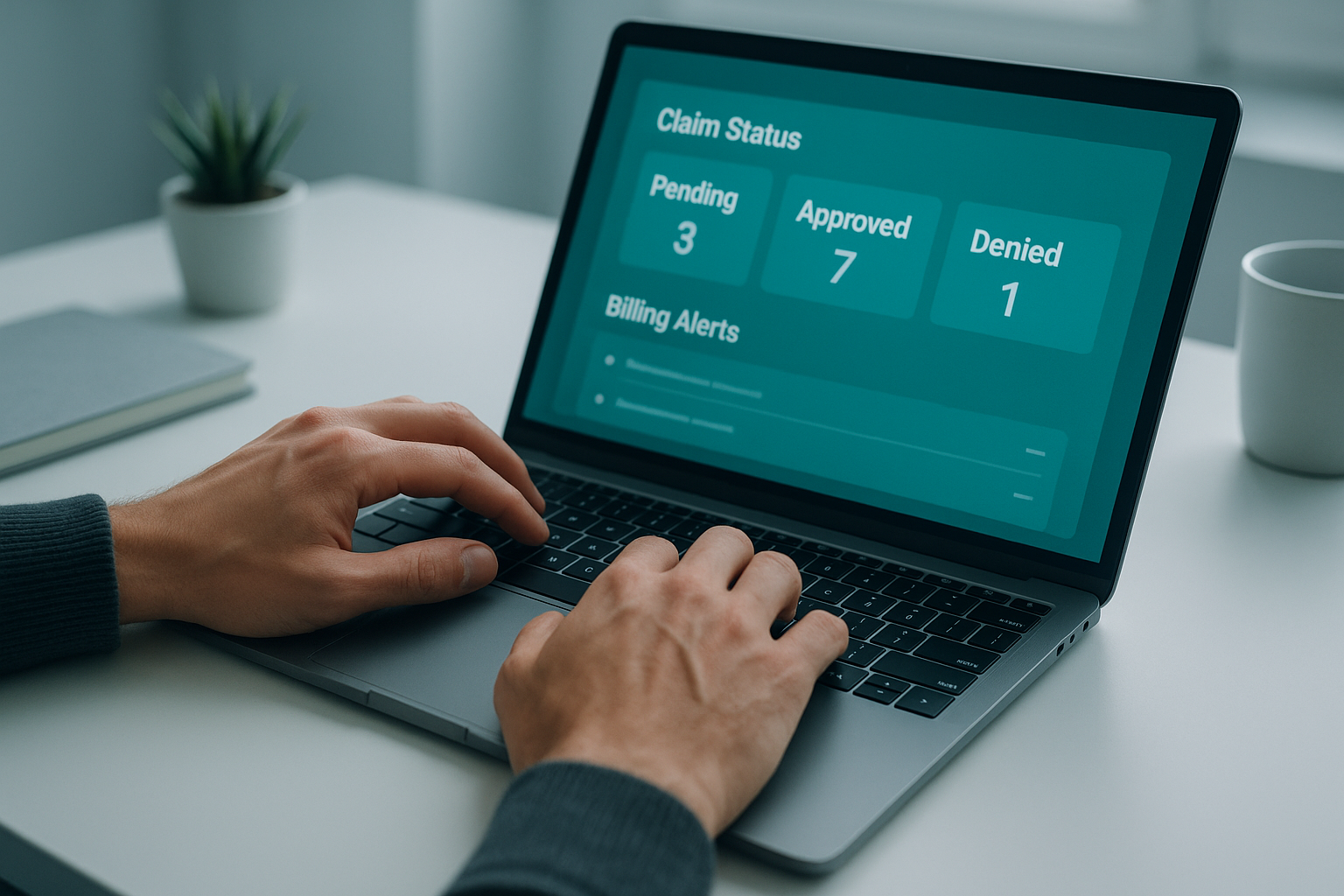
Connected dashboards let supervisors and billers see the same treatment planning data without chasing each other for updates.
Step-by-Step: Moving to a New Treatment Planning System
Switching platforms can feel risky, especially mid-caseload. However, a structured rollout keeps disruption to a minimum. Below is a practical sequence many practices follow when adopting treatment plan software for behavioral health:
- Audit current workflows. Review how treatment plans, notes, and claims currently move between clinicians, billers, and supervisors to identify the biggest bottlenecks.
- Map data and compliance requirements. List which payers, state supervision rules, and documentation standards the new system must support before migration begins.
- Migrate existing records. Move active treatment plans, client balances, and supervision histories into the new platform with support from an onboarding team.
- Train clinicians and supervisors. Run live sessions covering note templates, co-signature workflows, and billing handoffs so staff feel confident on day one.
- Monitor alerts after go-live. Use practice-wide dashboards to catch missing signatures, expired authorizations, or stalled claims during the first few billing cycles.
How to Choose a Behavioral Health Treatment Planning Tool
Selecting a platform is a long-term decision, not a quick fix. Above all, practices should weigh how well a system handles supervision, insurance complexity, and growth, not just note-taking. For insurance-based group practices with prelicensed clinicians, supervisory billing — tracking and billing for supervised sessions correctly — is often the deciding factor.
TuskaMind, for instance, was designed specifically for solo clinicians and growing insurance-based group practices rather than adapted from generic medical software. It combines clinical documentation, scheduling, telehealth, supervision, and revenue cycle management in one system, with practice-wide alerts that surface problems before they affect revenue. Security and compliance are also worth reviewing closely; details on HIPAA and HITECH safeguards, audit trails, and data isolation are outlined on the security page. Practices exploring early access or preferred onboarding terms can review the Pilot Partner Program, or reach out directly through the contact page with specific questions about migration and pricing.
What the Research Says About Documentation Burden
Documentation time is not a minor detail; it is a leading driver of clinician burnout. For instance, studies on electronic health record use, summarized by general EHR research, consistently link administrative burden to reduced time with clients. Similarly, behavioral health clinicians report that paperwork delays, not clinical complexity, are often the biggest source of frustration.
In contrast, practices that use integrated treatment plan software for behavioral health typically report fewer duplicate entries and faster billing turnaround. Therefore, the return on investment is not just clinical quality; it is also measured in staff retention and claim speed. Organizations such as the American Psychological Association continue to emphasize that reducing administrative friction supports better client outcomes, not just operational efficiency.
Reducing documentation friction frees up time for client care and faster claim turnaround.
Frequently Asked Questions About Treatment Plan Software for Behavioral Health
What is treatment plan software for behavioral health?
Treatment plan software for behavioral health is a digital system that documents client goals, interventions, and progress notes while linking that documentation to scheduling, billing, and supervision. It replaces paper plans and disconnected spreadsheets with one structured, board-ready record.
How is behavioral health treatment planning software different from a general EHR?
General EHRs are built for medical visits and lab results, while behavioral health platforms account for recurring therapy sessions, supervision hours, and payer-specific documentation rules. As a result, they fit the actual workflow of a therapy practice more closely.
How long does it take to implement treatment plan software in a practice?
Most practices complete a structured rollout within four to eight weeks, depending on caseload size and data migration complexity. Smaller solo practices often move faster, while multi-location group practices need more time for staff training.
How much does treatment plan software for behavioral health cost?
Pricing varies widely based on clinician count, billing volume, and whether revenue cycle management is included. Practices should request a direct quote and compare it against the time currently spent chasing unsigned notes and denied claims.
What should a behavioral health treatment plan template include?
A strong template includes client goals, measurable objectives, planned interventions, diagnostic codes, and review dates. Ideally, it also links directly to progress notes and billing codes so nothing has to be re-entered.
Can treatment plan software integrate with billing and revenue cycle management?
Yes, the strongest platforms connect treatment plans directly to claim creation, payment posting, and denial follow-up. This means a completed note can trigger a billing-ready status automatically instead of waiting on manual review.
Is treatment plan software for behavioral health HIPAA compliant?
Reputable platforms are built on HIPAA and HITECH-compliant architecture, including signed business associate agreements and audit trails. However, practices should still confirm security documentation directly with any vendor before migrating records.
What common mistakes do practices make when choosing treatment planning tools?
Many practices choose software based on note templates alone and overlook supervision tracking, claim visibility, or client payment management. Consequently, they end up adding separate tools later, which recreates the fragmentation they were trying to avoid.
How does clinical supervision factor into treatment plan documentation?
Prelicensed clinicians typically need a supervisor to review and co-sign treatment plans and progress notes before billing can proceed. Software that tracks supervision hours alongside documentation prevents these sign-offs from stalling reimbursement.
Can treatment plan software help reduce claim denials?
Yes, connecting documentation to billing allows the system to flag missing fields, mismatched codes, or incomplete plans before a claim is submitted. This proactive check reduces the number of preventable denials reaching the payer.
What is the best way to move from paper treatment plans to digital software?
Start by auditing current workflows, then migrate active client records with vendor support, train staff before go-live, and monitor alerts closely during the first billing cycles. A phased rollout limits disruption to ongoing care.
Does treatment plan software support group, family, and couples therapy formats?
Platforms designed specifically for behavioral health typically support individual, family, couples, and group session formats, along with relationship-aware client accounts for minors and guardians. This flexibility matters for practices offering varied service lines.
Final Thoughts
Ultimately, treatment plan software for behavioral health works best when it does more than store notes. It should connect clinical documentation to supervision, billing, and client balances, so practice owners always know what needs attention next. As caseloads grow and payer requirements get more complex, that visibility becomes the difference between a practice that reacts to problems and one that catches them early. Whether a practice is evaluating its first dedicated system or replacing a patchwork of spreadsheets, the goal remains the same: one connected view of clinical, financial, and supervisory activity, built around the real workflow of behavioral health care rather than borrowed from general medicine.