
A HIPAA compliant telehealth platform behavioral health practices can trust protects client sessions with encrypted video, strict access controls, and documented safeguards for protected health information. Specifically, it combines secure video calls, signed business associate agreements, and audit trails so therapists, counselors, and supervisors can meet state and federal privacy rules without slowing down care. This matters because mental health conversations are uniquely sensitive, and a single security gap can expose trauma histories, diagnoses, or medication details. In this guide, we will look at what the term actually means, why it matters for growing group practices, and how platforms like TuskaMind build compliance directly into daily clinical work rather than treating it as an afterthought.
Quick answer: A HIPAA compliant telehealth platform behavioral health providers rely on must encrypt video and messaging, sign a business associate agreement, log who accessed each record, and restrict viewing to authorized staff only. TuskaMind bundles these safeguards with scheduling, documentation, and billing so compliance happens automatically inside normal clinical workflow, rather than as a separate manual task.
What Is a HIPAA Compliant Telehealth Platform for Behavioral Health?
A HIPAA compliant telehealth platform for behavioral health is video and messaging software built specifically to protect protected health information, often shortened to PHI. In short, it meets the technical, administrative, and physical safeguards required by the Health Insurance Portability and Accountability Act (HIPAA), the U.S. federal law that governs how health information is stored and shared.
In practice, that means the platform encrypts sessions so outsiders cannot intercept them, limits access to authorized clinicians and supervisors, and keeps a record of who viewed what and when. Furthermore, a genuinely compliant platform will sign a business associate agreement, a contract that makes the vendor legally responsible for protecting the data it handles on a practice's behalf. Without that agreement in place, a practice cannot safely rely on a video tool for clinical sessions, no matter how polished the interface looks.

A secure video session is the foundation of any HIPAA compliant telehealth platform behavioral health clinicians depend on daily.
Why HIPAA Compliance Matters in Behavioral Health Telehealth
Behavioral health records carry some of the most sensitive information a practice holds, including trauma histories, substance use details, and custody-related notes. As a result, the stakes of a privacy failure are higher than in many other areas of care. According to breach data published by the U.S. Department of Health and Human Services Office for Civil Rights, hundreds of large healthcare data breaches affecting 500 or more individuals are reported to the agency each year, and many trace back to unsecured electronic communication tools.
Consequently, a practice that uses an uncontrolled video app risks far more than a technical glitch. In particular, a breach can trigger mandatory client notification, regulatory investigation, and reputational damage that is difficult to repair. In contrast, a platform built around HIPAA compliant telehealth reduces that exposure by design, so clinicians can focus on care rather than worrying about where a session link went.
Core Features of a Secure Telehealth Platform for Mental Health Practices
Not every video tool labeled "secure" actually meets clinical requirements. Therefore, it helps to know the specific features that separate a compliant system from a consumer app.
Encryption and Technical Safeguards
End-to-end encryption scrambles video and audio so that only the sender and receiver can understand it, even if the data is intercepted in transit. Above all, this protects session content from being viewed by anyone outside the appointment, including on public or shared networks.
Business Associate Agreements
A signed BAA confirms that the software vendor shares legal responsibility for protecting client data. Similarly, it should spell out breach notification timelines and data handling rules, so a practice is not left guessing about vendor obligations after an incident.
Access Controls and Audit Trails
Role-based access ensures a front-desk staff member cannot open clinical notes meant only for a supervisor. In addition, audit trails log every login and record view, which makes it possible to spot unusual activity quickly instead of discovering it months later.
How TuskaMind Delivers a HIPAA Compliant Telehealth Platform Behavioral Health Teams Rely On
TuskaMind was built inside a real Colorado group practice managing roughly 50 clinicians and contractors and around 70 to 100 insurance claims daily. Because of that background, its telehealth video was designed to sit inside the same system as documentation, scheduling, and supervision rather than as a bolted-on extra.
Specifically, TuskaMind's telehealth supports individual, family, couples, and group sessions, as well as live clinical supervision, all under HIPAA and HITECH-aligned architecture with signed business associate agreements and audit trails. Meanwhile, the embedded AI assistant, Nellie AI, can help draft session notes immediately after a telehealth visit, which keeps documentation from piling up separately from billing. You can review the platform's full feature set on the TuskaMind features page, and practices evaluating compliance specifically can read the detailed breakdown in this HIPAA compliance guide.
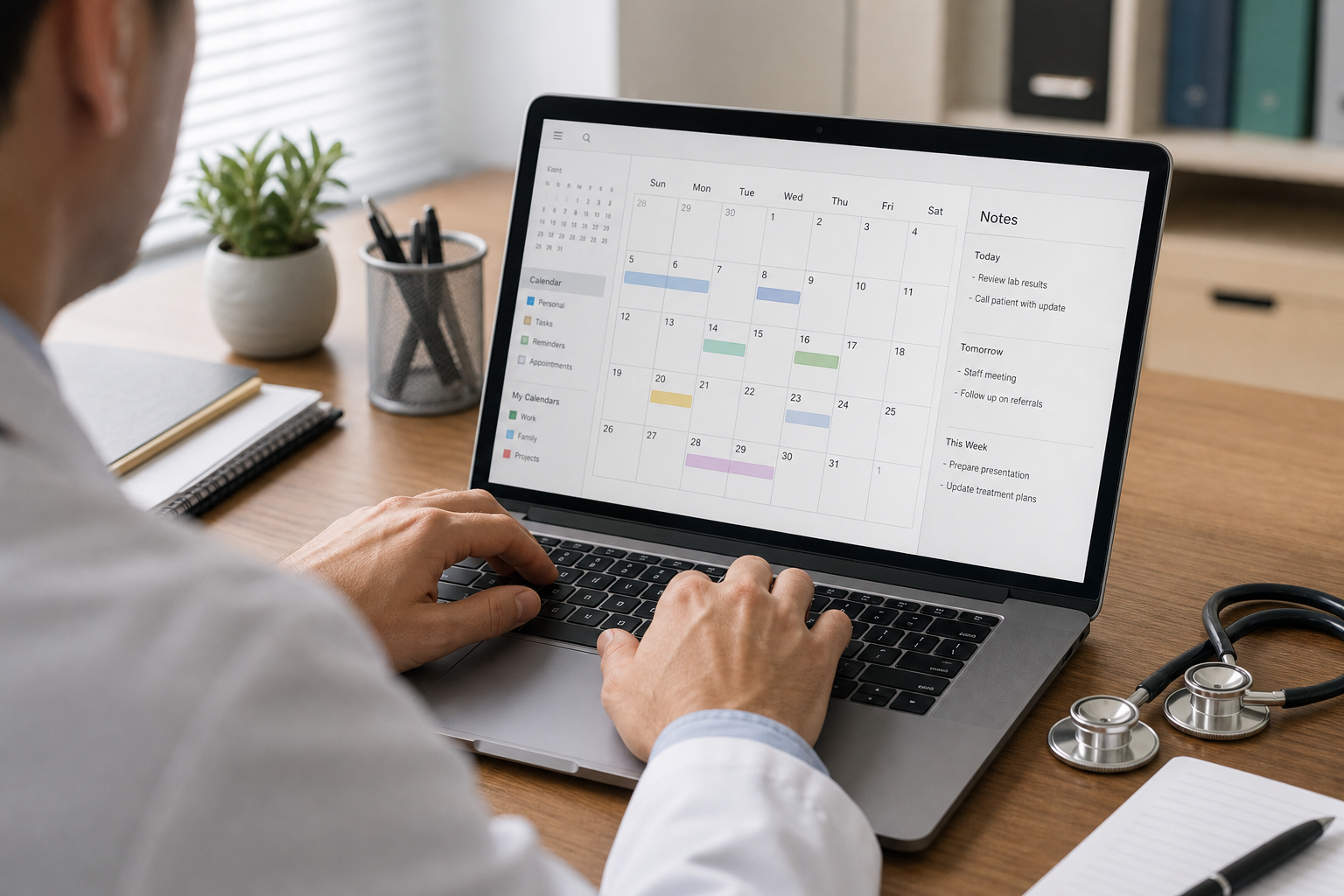
Pairing documentation with video keeps every telehealth session tied to the clinical record.
Step-by-Step: Setting Up a Compliant Telehealth Session
For practices still relying on separate tools, moving to a single secure workflow can feel daunting. The following steps outline a practical path.
- Confirm the telehealth platform encrypts video and audio in transit, has a signed business associate agreement on file, and stores session logs before scheduling any client appointments.
- Assign each clinician a unique login with role-based permissions so only the treating provider and authorized supervisors can open that client's session or notes.
- Send the client a one-time secure session link through the platform rather than a personal email or text message, and verbally confirm their identity when the session starts.
- Complete the progress note inside the same system that hosted the video session so documentation, billing codes, and session timestamps stay linked without manual re-entry.
- Periodically review access logs and compliance alerts to confirm no unauthorized views occurred and that supervision sign-offs were completed on schedule.
Common Telehealth Compliance Risks Behavioral Health Practices Should Avoid
Even well-meaning practices make avoidable mistakes. For example, some clinicians default to consumer video apps during a scheduling emergency, forgetting that no BAA covers that tool. Others store session recordings or chat transcripts outside the main record, which creates a second, unmonitored copy of sensitive data.
Additionally, practices sometimes let prelicensed clinicians run sessions without documented supervisory oversight, which creates both a clinical and compliance gap. Therefore, it helps to pair telehealth with the same supervision and documentation structure used for in-person care, rather than treating virtual sessions as a separate category with looser rules.
Choosing the Right Behavioral Health Telehealth Software
When comparing options, it helps to weigh what a consumer tool covers against what a purpose-built behavioral health system includes.
| Capability | Consumer Video App | Behavioral Health Telehealth Platform |
|---|---|---|
| Signed BAA | Rarely available | Standard requirement |
| Linked documentation | No | Notes tied to the session automatically |
| Supervision support | No | Supervisor join and co-signature tools |
| Audit trail of access | Limited or none | Full login and record-view logging |
Beyond features, it is worth considering how telehealth fits specific populations. For instance, practices serving families or couples need relationship-aware permissions, which the family therapy telehealth guide explains in more depth. Likewise, practices weighing a full system switch may find it useful to review this behavioral health EHR guide alongside telehealth requirements, since the two are closely connected. For general background on how telehealth has evolved as a care model, the Wikipedia overview of telehealth offers helpful context, and the American Psychological Association's telehealth practice guidance covers clinical considerations specific to mental health.

Group practices benefit most when telehealth compliance is reviewed as a team, not left to one person.
Frequently Asked Questions
What is a HIPAA compliant telehealth platform for behavioral health?
A HIPAA compliant telehealth platform for behavioral health is video and messaging software built to protect protected health information through encryption, access controls, audit logs, and a signed business associate agreement. It lets therapists hold sessions while meeting the privacy and security rules set by federal law.
How does HIPAA compliant telehealth differ from regular video call apps?
Regular consumer video apps are not designed to protect health data and typically will not sign a business associate agreement. A HIPAA compliant platform, in contrast, encrypts sessions end to end, limits who can access recordings, and logs every login for audit purposes.
Why do behavioral health practices need a dedicated telehealth platform?
Behavioral health sessions often involve trauma histories, diagnoses, and medication details that carry serious privacy risk if exposed. A dedicated platform ties video directly to documentation and billing, so clinicians are not copying sensitive notes between disconnected tools.
What does a business associate agreement (BAA) cover?
A business associate agreement is a legal contract that defines how a vendor may use, store, and protect a practice's protected health information. It makes the vendor contractually responsible for breaches and required safeguards under HIPAA.
How much does a HIPAA compliant telehealth platform behavioral health practices use typically cost?
Pricing varies widely, from standalone video add-ons charged per clinician monthly to bundled platforms that include telehealth inside an EHR subscription. Practices should compare the cost of a bundled system against paying separately for video, documentation, and billing tools.
How long does it take to set up compliant telehealth sessions?
Most platforms allow a clinician to schedule and send a secure session link within minutes once account access controls are configured. Full practice-wide rollout, including staff training and client communication, usually takes one to two weeks.
What are common mistakes practices make with telehealth compliance?
Common mistakes include using consumer apps without a signed BAA, storing session notes in a separate uncontrolled system, and failing to review access logs regularly. Another frequent gap is letting unlicensed or unsupervised staff join sessions without documented oversight.
Can group practices use one platform for supervision and telehealth together?
Yes, many modern platforms combine video sessions with supervision tools, letting a supervisor review notes or join a session for live oversight. This keeps supervision hours, co-signatures, and session records in one auditable place instead of scattered spreadsheets.
Is TuskaMind's telehealth platform HIPAA compliant?
Yes, TuskaMind's telehealth video is built on HIPAA and HITECH architecture with encryption, signed business associate agreements, and audit trails, and it connects directly to documentation, billing, and supervision inside one system.
What happens if a telehealth platform has a data breach?
A breach involving protected health information generally requires notifying affected clients, and in larger cases, reporting to the Department of Health and Human Services. Beyond the legal exposure, breaches damage client trust and can trigger costly corrective action plans.
Do clients need special software to join a HIPAA compliant video session?
No, most compliant platforms let clients join through a secure browser link without downloading an app. The encryption and access controls happen behind the scenes, so the client experience stays simple.
What best practices keep telehealth sessions secure?
Best practices include using unique logins for every clinician, enabling session logging, confirming a BAA is signed before go-live, and training staff to verify client identity at the start of each session. Regularly reviewing audit alerts also helps catch unusual access early.
Does HIPAA compliant telehealth work for family and couples therapy?
Yes, compliant platforms typically support multi-participant sessions with relationship-aware permissions, so family members, couples, or guardians can join while access to notes stays limited to the right people. This is essential for practices serving minors or shared-custody situations.
Conclusion
Choosing a HIPAA compliant telehealth platform behavioral health practices can depend on is not just a legal checkbox; it is a decision that affects client trust, clinician workflow, and long-term practice growth. As this guide has shown, the right platform combines encryption, business associate agreements, and audit trails with documentation, supervision, and billing, so compliance happens as part of daily work rather than a separate burden. Above all, practices that outgrow spreadsheets and disconnected tools benefit most from a single system built specifically for behavioral health. To see how this looks in practice, visit TuskaMind and explore how a connected platform can bring telehealth, documentation, and revenue cycle management into one secure workflow.

