
A couples telehealth platform gives two partners a secure, HIPAA-compliant way to meet with a licensed therapist from different locations, often at the same time, without sacrificing the clinical structure a practice needs to bill insurance correctly. For behavioral health group practices, however, choosing the right platform is not just about video quality. It also has to connect scheduling, documentation, supervision, and billing into one coherent workflow. This article looks at what a couples telehealth platform actually needs to do, how it fits inside a growing practice, and what to check before committing to one.
What Is a Couples Telehealth Platform?
A couples telehealth platform is secure video software built so two partners, together with a licensed clinician, can hold a therapy session remotely while the practice documents and bills that visit correctly. In short, it is telehealth designed around a relationship, not just one person.
Unlike generic video-call software, a true couples telehealth platform understands that a single session involves two clients, two consents, and potentially two separate billing identities. Therefore, it needs relationship-aware records rather than one flat client profile. According to the Wikipedia overview of telehealth, remote clinical care has expanded rapidly across specialties, and couples counseling is one of the areas where demand has grown fastest since it removes the scheduling friction of getting two adults to the same physical room.

A couples telehealth platform connects two clients and a clinician in one secure virtual session.
Why Practices Need Dedicated Telehealth Tools for Couples
Generic video software was not built for behavioral health. As a result, practices that rely on consumer video apps often end up tracking consents, notes, and balances by hand for every couples session. That manual layer does not scale once a practice grows past a handful of clinicians.
In particular, dedicated telehealth tools for couples need to answer three questions automatically: who consented to this session, what was documented, and how will it be billed. Without that structure, a practice's administrative staff spend hours reconciling sessions that the software should have tracked from the start. Furthermore, a 2023 report from the U.S. Department of Health and Human Services found that behavioral telehealth use remained well above pre-pandemic levels, which means this is not a temporary demand spike practices can afford to manage informally.
Core Features of an Effective Couples Therapy Video Platform
A capable couples therapy video platform typically combines five elements rather than treating video as a standalone feature. Specifically, practices should look for the following:
- HIPAA-compliant video that supports multiple simultaneous participants and screen-safe connections.
- Relationship-aware client accounts so each partner has a separate login, consent record, and permission level.
- Shared, multi-clinician scheduling that coordinates both partners' availability automatically.
- Documentation that ties directly into claim creation for couples or family CPT codes.
- Supervision support, since many group practices rely on prelicensed clinicians to deliver couples sessions.
Without these pieces working together, a practice is really running several disconnected tools that happen to be labeled "telehealth." Consequently, documentation gaps and billing errors tend to surface weeks later, when they are harder and more expensive to fix.
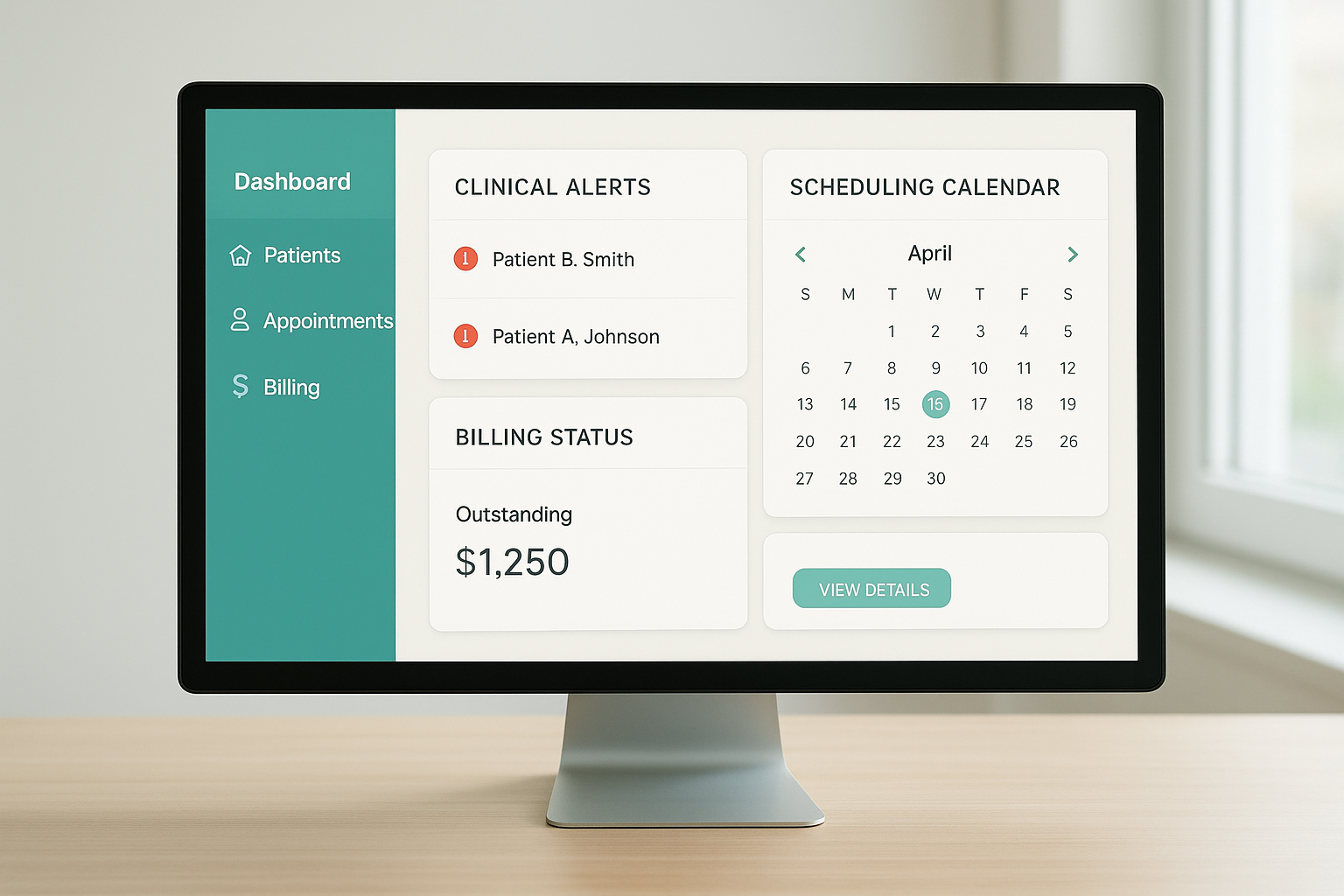
A connected dashboard shows what still needs attention across scheduling, documentation, and billing.
How Group Practices Scale Couples Telehealth Without Losing Oversight
As a practice adds clinicians, couples sessions multiply fast, and so does the paperwork behind them. Above all, owners need one place to see which notes are unsigned, which claims are stuck, and which supervision hours are falling behind, instead of asking each team member individually.
This is where a practice-wide operations view matters more than video quality alone. For example, TuskaMind was built inside a live Colorado group practice handling roughly 70 to 100 insurance claims a day, which is why its dashboards surface documentation gaps, aging claims, and supervision sign-offs before they become denied revenue. You can review the full breakdown on TuskaMind's feature set to see how scheduling, telehealth, and billing stay connected as a practice grows.
How to Implement a Couples Telehealth Platform in Your Practice
Switching platforms can feel risky mid-caseload. However, a structured rollout keeps couples sessions running while billing and documentation catch up in the background. Consider the following sequence:
- Map your current couples session workflow. Review how your practice currently schedules, documents, and bills couples sessions, noting where staff manually re-enter information between separate tools.
- Confirm HIPAA-compliant video capability. Verify that any platform you evaluate supports secure, encrypted video for multiple participants and includes a signed business associate agreement.
- Set up relationship-aware client accounts. Create linked but separately permissioned portal accounts so both partners can complete intake forms and sign consents without sharing one login.
- Connect documentation directly to billing. Configure session notes so they feed straight into claim creation, reducing the manual handoff that causes delayed or denied claims.
- Train clinicians and supervisors together. Walk staff through scheduling, documentation, and co-signature steps as one workflow so supervision requirements are met without slowing down billing.
Choosing the Right Couples Telehealth Software for Insurance-Based Practices
Insurance-based practices face a narrower set of requirements than cash-pay practices. Specifically, the platform must handle payer-specific CPT codes for couples and family sessions, track eligibility, and flag denials quickly. In contrast, a cash-pay practice might tolerate a simpler setup.
If your practice employs prelicensed clinicians, supervisory billing becomes another filter. According to the American Psychological Association's resources on telehealth practice, supervision and documentation standards still apply regardless of delivery format, so the software should not treat virtual supervision as an afterthought. TuskaMind pairs HIPAA-compliant telehealth with built-in supervision tracking, note co-signature, and revenue cycle management, and practices exploring an early transition can review the Pilot Partner Program or the platform's security and compliance architecture before deciding. Practices that want a direct conversation can also talk with the TuskaMind team, or start at tuskamind.com to see the platform in context.
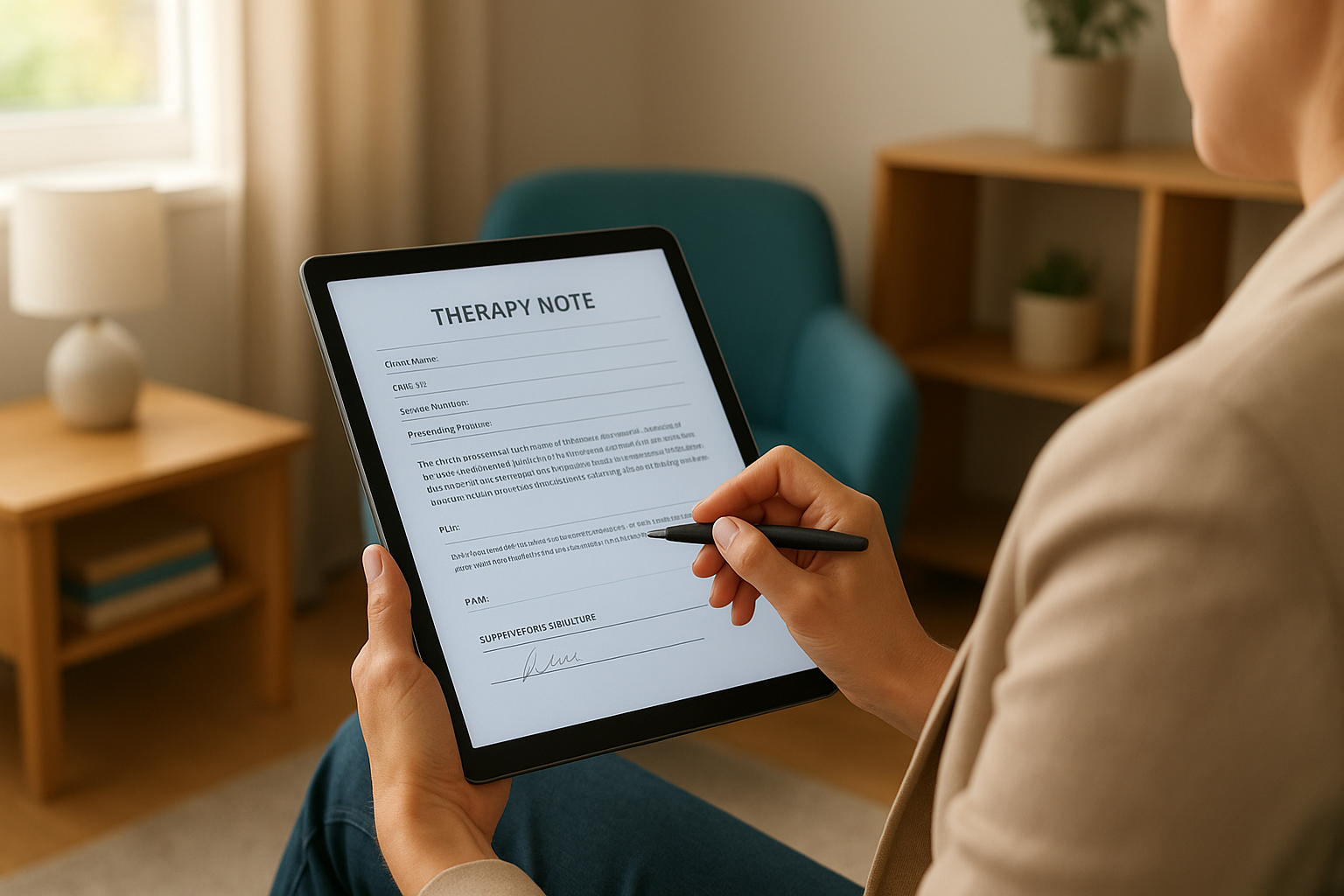
Supervision and co-signature workflows keep couples telehealth sessions compliant as practices grow.
Frequently Asked Questions About Couples Telehealth Platforms
What is a couples telehealth platform?
A couples telehealth platform is secure video software that lets two partners join one therapy session remotely while a licensed clinician documents and bills the session correctly. It typically includes HIPAA-compliant video, relationship-aware client accounts, and billing tied directly to the visit.
How does a couples telehealth platform differ from individual telehealth software?
Individual telehealth tools are built around one client and one clinician, while couples telehealth platforms must support two participants, separate consents, and linked records. They also need to document session type correctly, since couples and family CPT codes differ from individual codes.
Is couples telehealth as effective as in-person couples counseling?
Research on telehealth generally shows outcomes comparable to in-person care for many concerns, and couples counseling follows a similar pattern when both partners engage fully. Effectiveness depends more on engagement and clinical fit than on delivery format alone.
Can insurance cover couples sessions delivered through a telehealth platform?
Many payers reimburse couples and family therapy codes delivered via telehealth, though coverage rules vary by plan and state. Practices should verify eligibility and telehealth-specific billing requirements before scheduling the first virtual session.
What security standards should a couples telehealth platform meet?
At minimum, the platform should offer encrypted video, a signed business associate agreement, and audit trails consistent with HIPAA requirements. Role-based access and tenant-safe data isolation add further protection for multi-clinician practices.
How much does a couples telehealth platform typically cost a group practice?
Pricing varies depending on whether video, documentation, billing, and supervision tools are bundled or purchased separately. Practices often save money over time by choosing one connected platform instead of paying for several disconnected tools.
How long does it take to implement a new couples telehealth platform?
A straightforward rollout can take two to six weeks depending on staff size and payer setup. Practices that plan training and workflow mapping in advance typically move faster than those that switch tools without preparation.
What common mistakes do practices make when adopting couples telehealth?
The most common mistake is treating couples sessions like individual sessions in the record, which creates billing errors and consent gaps. Another frequent issue is skipping clinician and supervisor training before go-live.
Can prelicensed clinicians provide couples telehealth under supervision?
Yes, in most states prelicensed clinicians can provide couples telehealth as long as supervision requirements and co-signature rules are documented properly. The platform should support supervisor note review without slowing down the billing cycle.
How does documentation work when two clients attend one telehealth session?
The clinician typically documents the session under the identified client while noting the partner's participation, consistent with payer and state requirements. Strong platforms link both partner records so staff are not searching two separate charts for one session.
What features should group practices prioritize in a couples telehealth platform?
Priority features include HIPAA-compliant video for multiple participants, relationship-aware client portals, documentation tied to billing, and real-time alerts for missing notes or unresolved claims. Supervision tools matter as well for practices employing prelicensed clinicians.
How does TuskaMind support couples telehealth for behavioral health practices?
TuskaMind combines HIPAA-compliant telehealth video, relationship-aware client accounts, structured documentation, supervisory billing, and revenue cycle management in one operating system. This lets insurance-based group practices run couples sessions without juggling separate tools for video, notes, and claims.
Does a couples telehealth platform need its own scheduling tool?
Scheduling should coordinate both partners' availability and connect directly to the video session and client record, rather than existing as a separate calendar. Shared, multi-clinician scheduling reduces the double-booking and no-show confusion common in standalone tools.
Key Takeaways
A couples telehealth platform works best when it is not treated as a standalone video tool but as one connected piece of a practice's scheduling, documentation, supervision, and billing systems. Therefore, practices evaluating options should look past video quality alone and ask how notes become claims, how supervision gets tracked, and how two clients share one secure record. As demand for virtual couples counseling continues, insurance-based group practices that choose a connected couples telehealth platform, rather than a patchwork of disconnected tools, will be better positioned to scale without losing financial or clinical oversight.
